overhaul the app
Healthcare Mobile App Redesign & Feature Integration
As a Product Designer for Cerascreen, I led the redesign and feature integration of their healthcare mobile app. The primary goal was to improve the app’s usability, align it with the updated style guide, and introduce new features, such as an AI-powered symptom consultant and wearable device integration, to enhance user engagement and monetization. The challenge was to create a seamless experience while integrating complex backend systems for personalized health recommendations based on user data.
The process for this project was centered around a user-focused and iterative design approach, combining thorough research, wireframing, and prototyping with close collaboration between design and development teams. From gathering insights to refining the user experience, each phase was tailored to meet the needs of the app's users while ensuring smooth integration of advanced features like AI-powered recommendations and wearable data syncing.
Research & Analysis
We conducted competitor analysis and gathered user feedback via surveys to understand the demand for personalized health features, including AI-driven recommendations and wearable device integration.
User Flow & Wireframes
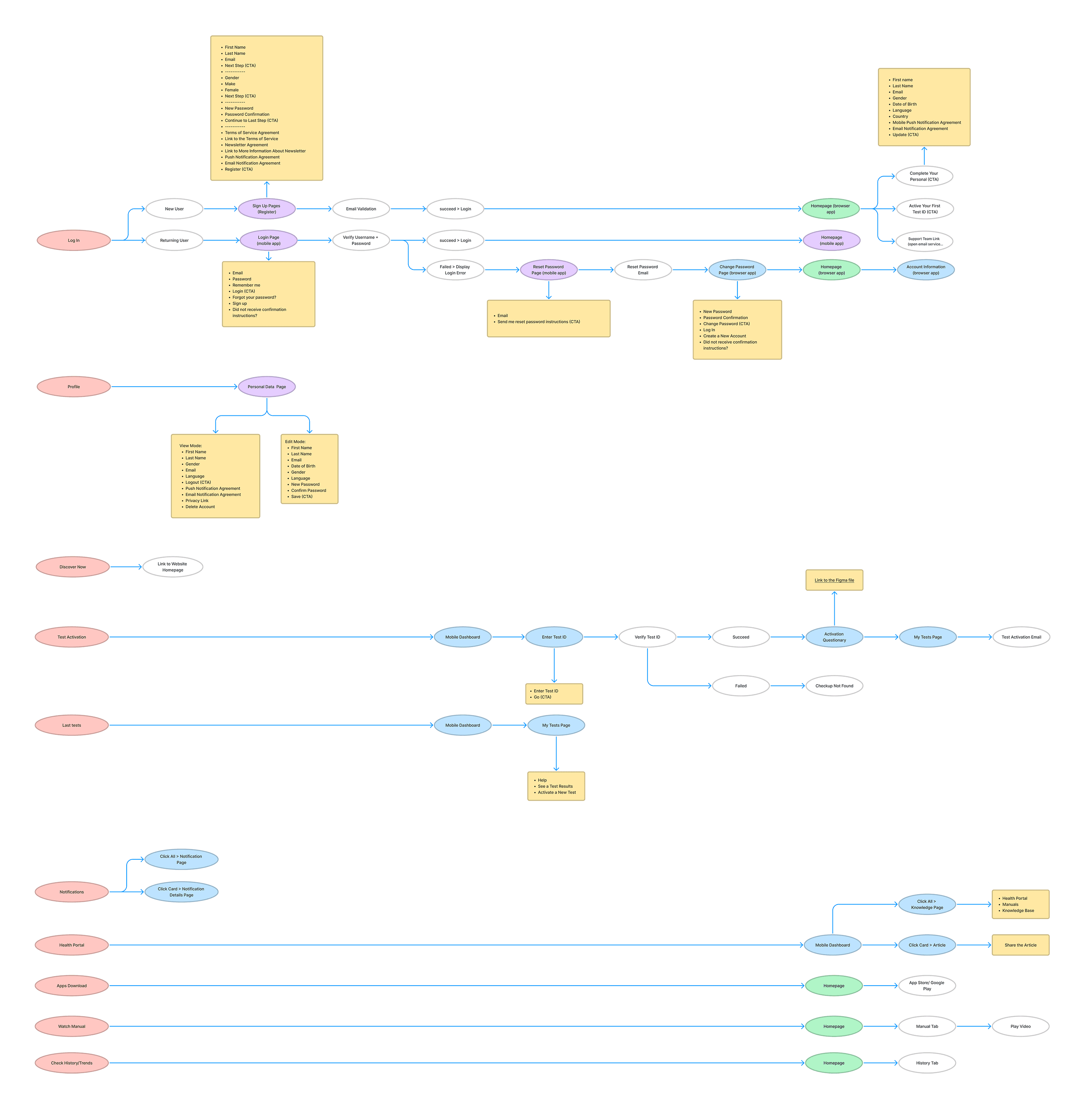
I mapped out existing and new user flows for core features such as AI consultant, wearable integration, product catalog, and payment processes. These flows were discussed with the development team to ensure technical feasibility.
UI Design & Prototyping
I created wireframes and high-fidelity mockups following the updated style guide, ensuring consistency with the web platform. Prototypes were tested with stakeholders for feedback and iterative improvements.
Development Collaboration
I worked closely with developers throughout the process to ensure smooth integration of new features, including backend systems for data aggregation from wearables and other health inputs.
The redesigned healthcare app offers a seamless and personalized experience, leveraging AI-powered insights and wearable data to provide users with tailored health recommendations and solutions.
Dashboard
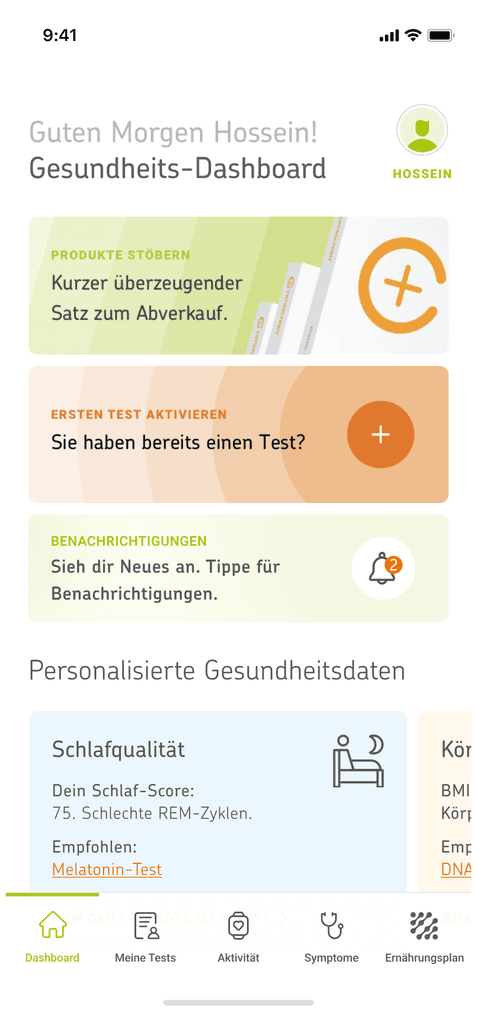
The health dashboard has been enhanced with AI-powered personalized insights, providing tailored recommendations based on users’ reported symptoms. This upgrade offers a more guided and individualized health experience.
Result Report Page
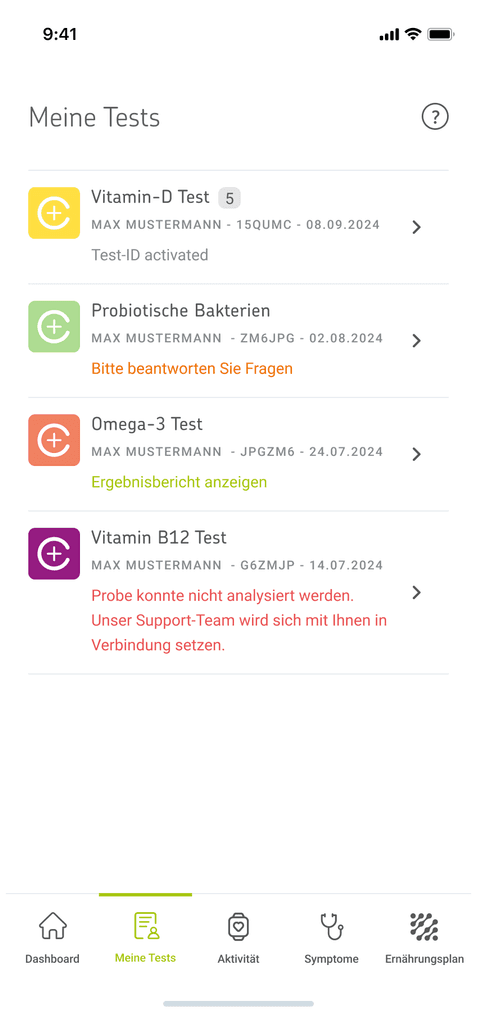
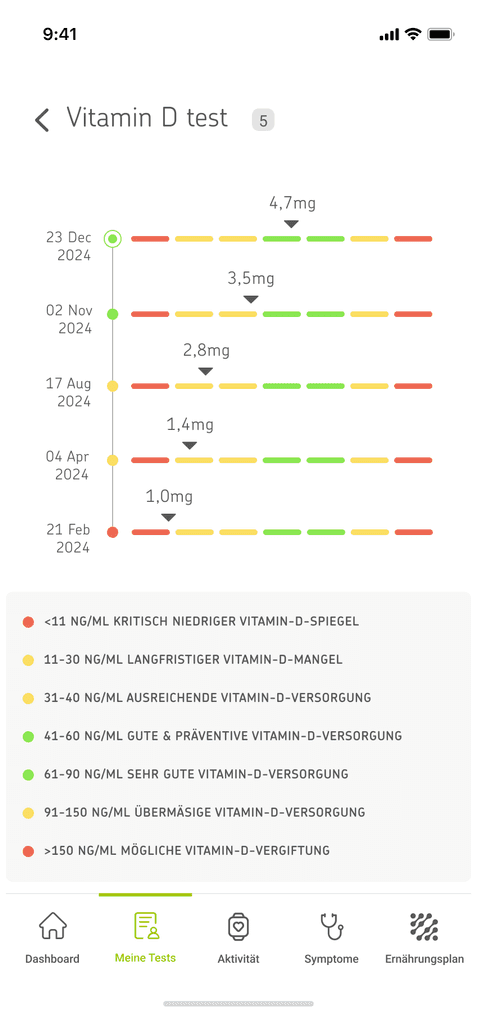
The result report page has been improved to offer clearer, more comprehensive status updates on each test’s progress. Tests of the same type are now grouped together for better organization, especially when multiple tests have been performed.
Personalized Health Reports
The app dynamically generates health reports based on user data and test results, offering detailed insights into overall well-being. These reports highlight areas for improvement and recommend products or lifestyle changes to optimize health outcomes.
Wearable Integration and subscription plans
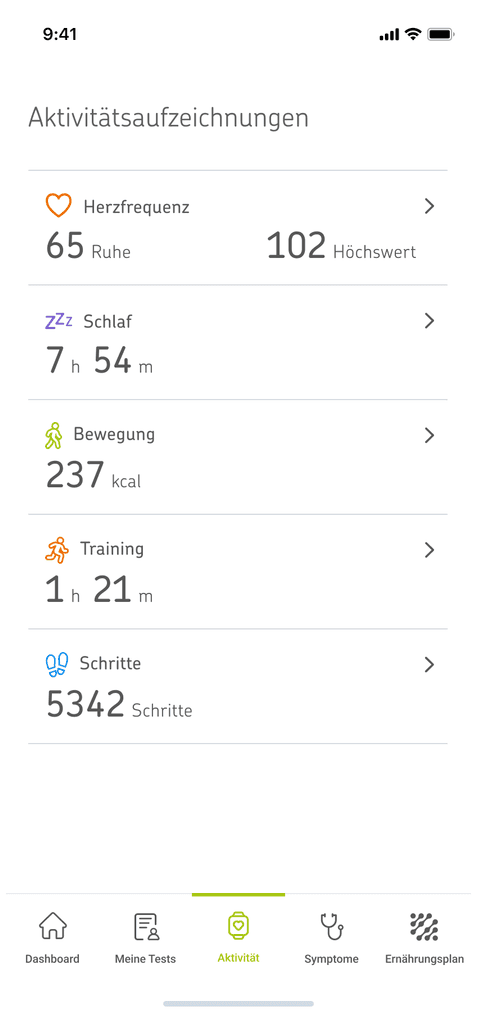
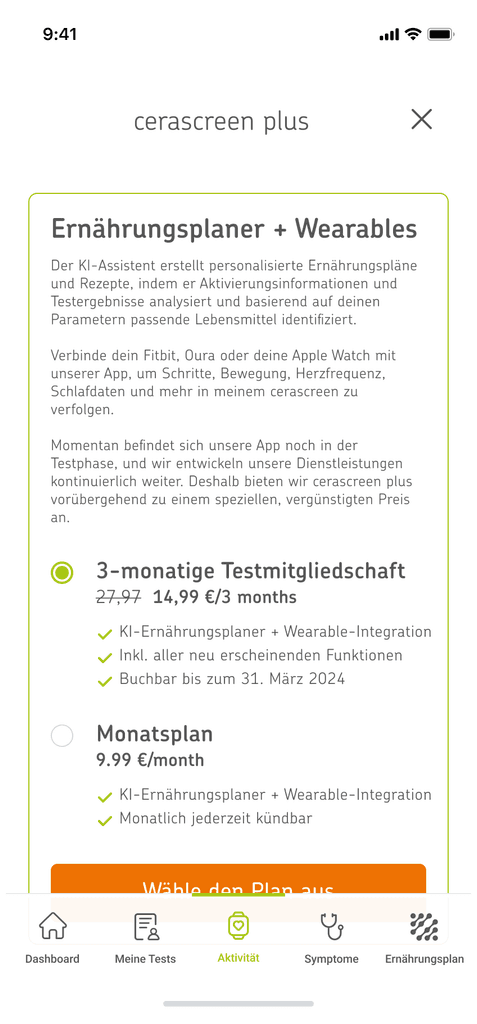
Seamless integration with wearable devices, such as fitness trackers, enables the app to gather health metrics like heart rate, sleep patterns, and physical activity. This data is analyzed to deliver tailored health advice, improving the accuracy of symptom tracking and personal care recommendations.
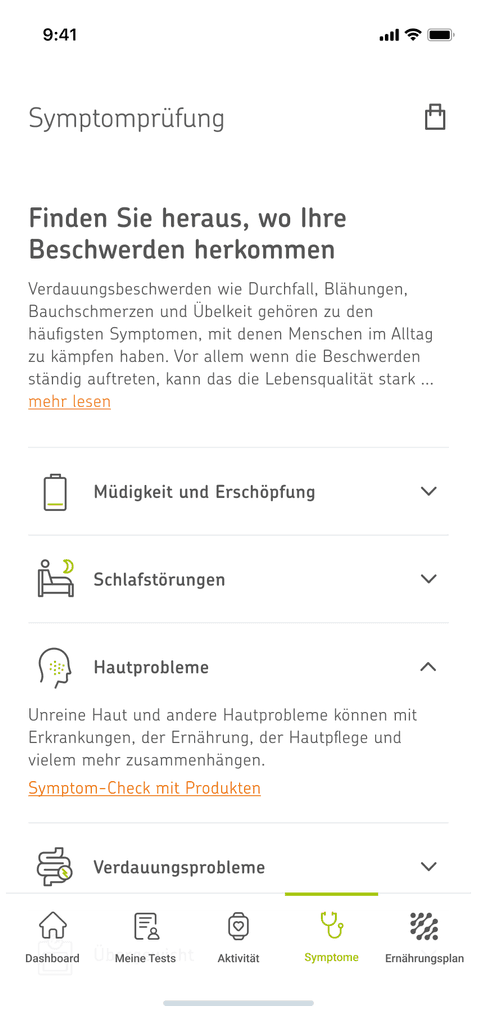
Symptom Checker
The symptom checker guides users through common health issues, helping them identify the root cause of their symptoms. By offering personalized product suggestions and recommendations, the feature increases user engagement and delivers more targeted health solutions.
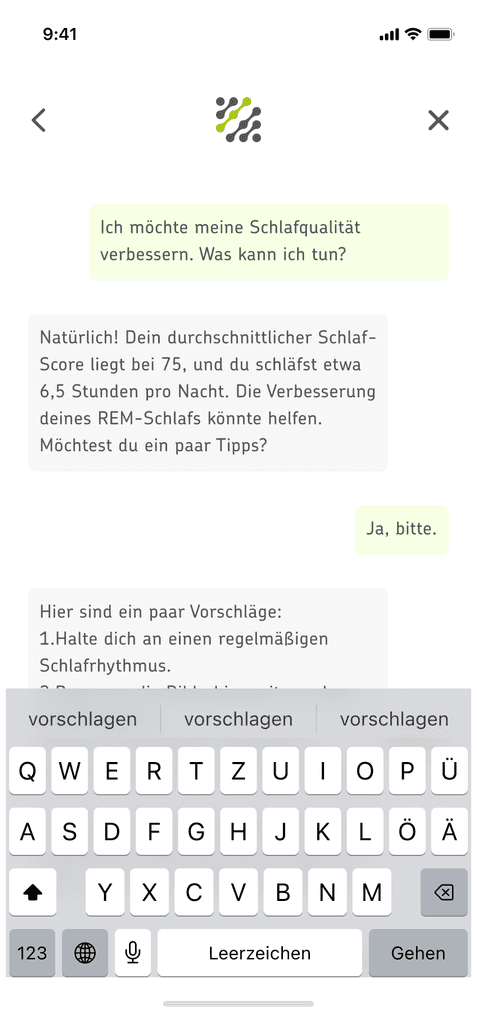
AI-Powered Symptom Consultant
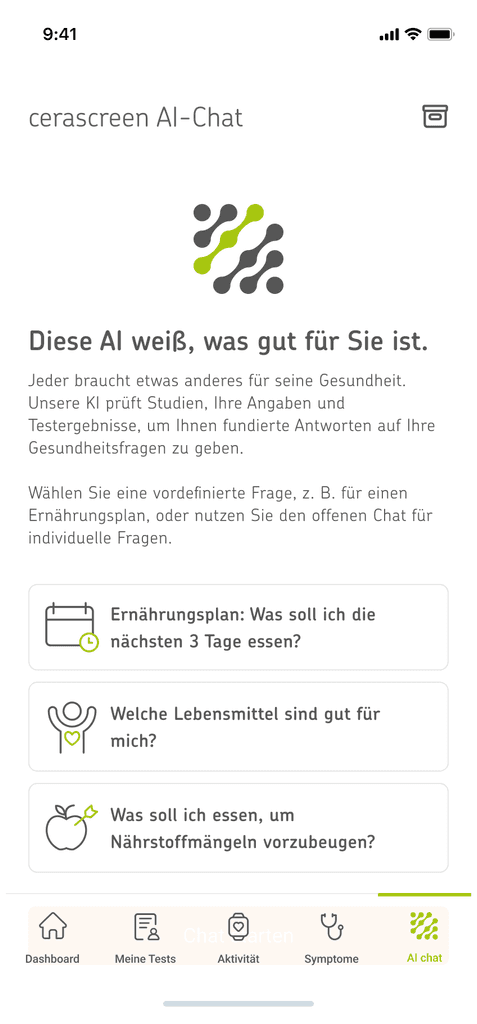
The AI-powered symptom consultant analyzes user-reported symptoms, wearable health data, and historical information to provide personalized recommendations. This feature enables users to make informed health decisions based on real-time AI insights.
Improved User Flows
The redesigned user flows enhance the key app functionalities, such as test activation and result viewing, by simplifying the journey. This reduces friction, making the app more intuitive and user-friendly.
Enhanced UI Consistency
By aligning the mobile app’s UI with the brand’s style guide and website design, the overall experience is more cohesive across platforms. The refined UI not only improves visual appeal but also reduces inconsistencies and bugs.
Data-Driven Personalization
The app uses user input, wearable data, and health patterns to offer personalized experiences. Tailored advice, reminders, and health plans help address individual needs, improving both engagement and retention.
This section highlights the key outcomes of the project, showcasing improvements in user experience, early user feedback, and the anticipated impact of upcoming features. While some features are still in development, the redesign has already delivered significant results, with promising insights for future growth and user engagement.
Improved User Experience
The redesign significantly reduced bugs and enhanced UI consistency, leading to a smoother user experience and fewer support requests.
Higher Engagement Potential
Although features like the AI symptom consultant, wearable integration, and product catalog are still in development, early user feedback on the redesigned interface and improved health tracking shows promising engagement.
Positive User Feedback
Initial tests of the redesigned app reveal high user satisfaction with the new layout, easier navigation, and improved experience for accessing health test results.
Anticipated Conversion Increase
The symptom check feature has already shown a 2X increase in conversion rates on the web version. Similar results are expected once the mobile app version is fully integrated and launched.
Future Monetization Opportunities
While the product catalog and subscription models are still being built, they are expected to provide new revenue streams once released, driving purchases based on personalized health data and recommendations.